A Photographer's Guide to the Negombo Fish Market Lellama Tips for the Best Shots

Dinithi Perera
Travel Writer
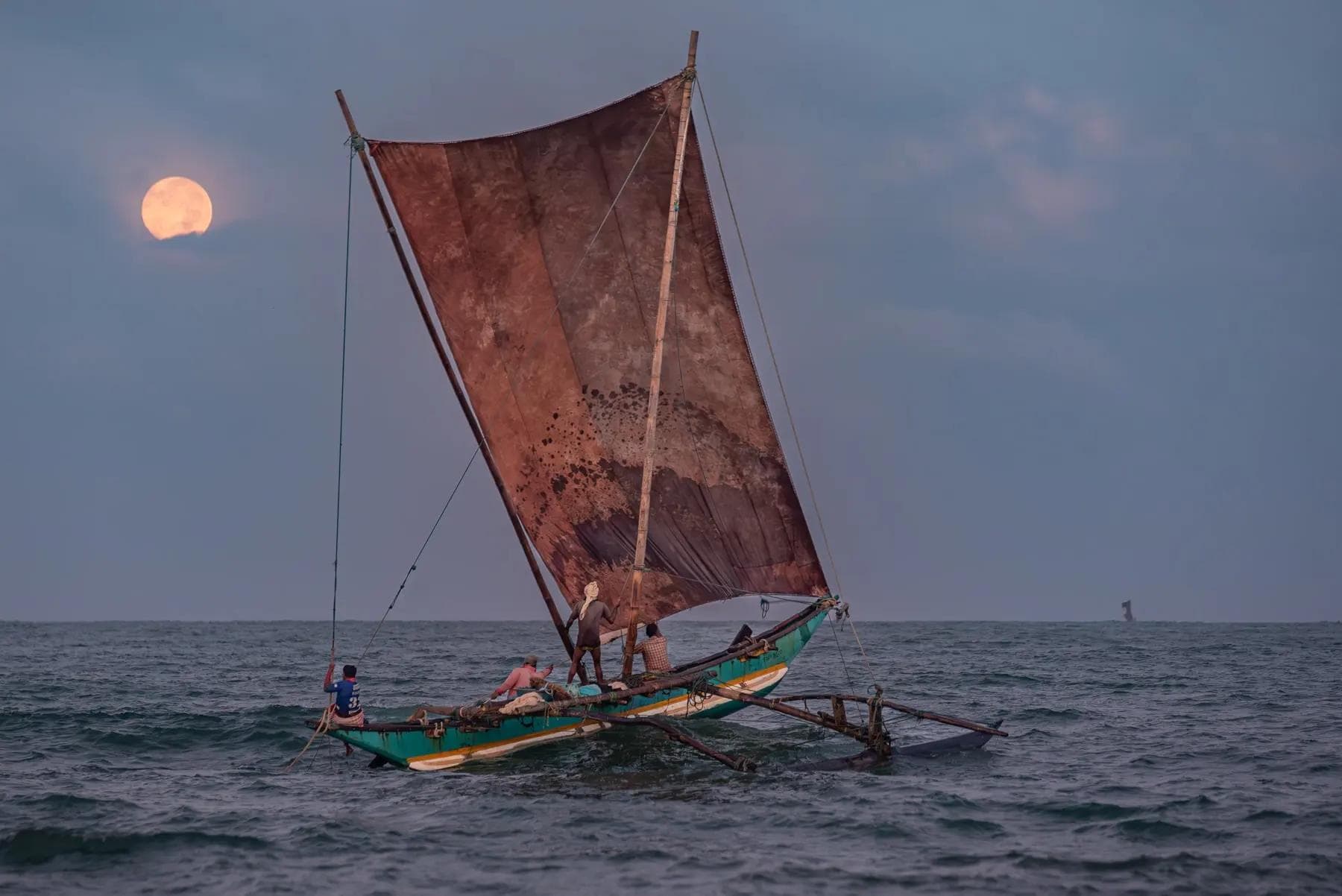
The Negombo Fish Market, locally known as the Lellama, is arguably the most vibrant, raw, and photogenic spectacle on Sri Lanka’s west coast. It is a living, working entity where the centuries old relationship between the sea and the community plays out every day. For the photographer, amateur or professional, the Lellama is a goldmine of dynamic action, vivid colors, and compelling human portraits.
However, capturing the true essence of this bustling hub requires more than just pointing a camera. It demands careful timing, respectful engagement, and an understanding of the chaos. This guide provides essential tips for navigating and photographing the Lellama to ensure you capture its powerful, authentic spirit.
Timing is Everything The Dawn Rush
The number one rule for photographing the Lellama is to arrive early. The market's most intense and photogenic activity occurs just after dawn.
The fishing boats, many of them traditional oruwa outrigger canoes and larger trawlers, begin arriving between 5:30 AM and 7:00 AM, bringing in their overnight hauls. This is when the beach truly comes alive.
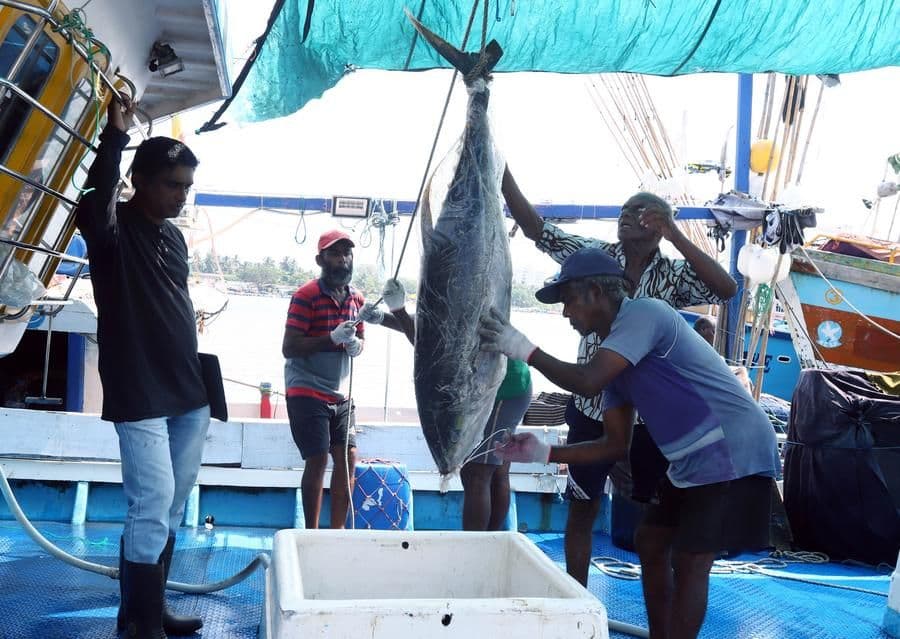
The soft, golden light of the rising sun provides ideal photographic conditions, cutting through the misty air and illuminating the frantic activity on the sand. You will find fishermen dragging nets, offloading huge tuna and piles of prawns, and the brisk, loud bidding of wholesale buyers during the market auctions. This early start not only provides the best action but also the most dramatic natural light, perfect for atmospheric wide shots and striking silhouettes.
Action and Portrait Photography
The Lellama is rich with opportunities for two main styles of photography: capturing movement and capturing human emotion.
Capturing the Action
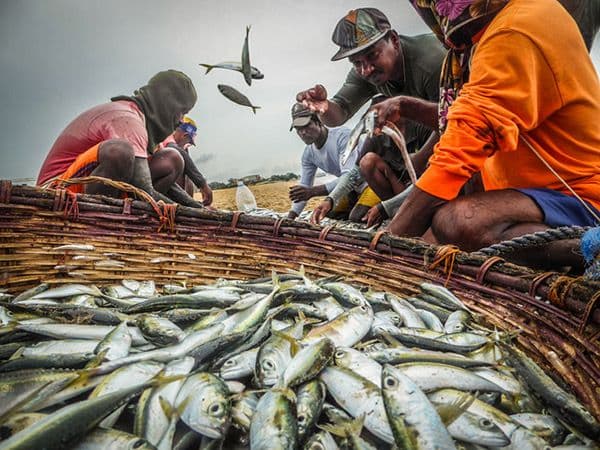
The market is a hive of continuous, strenuous work, offering non-stop action shots. Focus on the raw energy of the fishermen as they work.
Look for the fast-paced movements of men washing the fish in the shallows of the ocean, the muscular effort of those carrying heavy, glistening baskets on their heads, and the focused intensity of the auctioneers shouting prices. To capture this movement without blur, you will need a fast shutter speed, especially in the low light before the sun fully rises.
Capturing the People
The people of the Lellama are the heart of your images. Their faces tell the story of a lifetime spent working the ocean. You will find seasoned fishermen with weather beaten skin and women with vibrant saris who deftly clean and sell the catch.
Remember that this is their workplace, not a staged tourist attraction. Always be respectful, maintain a comfortable distance initially, and try to make eye contact or offer a quick smile before attempting a close-up portrait. It is courteous to seek permission, even if just through a gesture, before taking someone’s photo. Their willingness to engage often results in the most compelling and genuine portraits.
The Art of the Detail
Beyond the major action, the market is full of incredible, smaller photographic subjects that capture the essence of Sri Lankan life and food culture.
The Fish Display
The sheer variety of seafood is stunning. Look for the colorful arrangements of fish, the bright silver of freshly caught sardines, the deep red of tuna, and the speckled shells of crabs and prawns. These piles of seafood, often laid out directly on the sand or woven mats, create a natural still life. Use a shallow depth of field to draw attention to the texture and color of the catch itself.
The Drying Fish
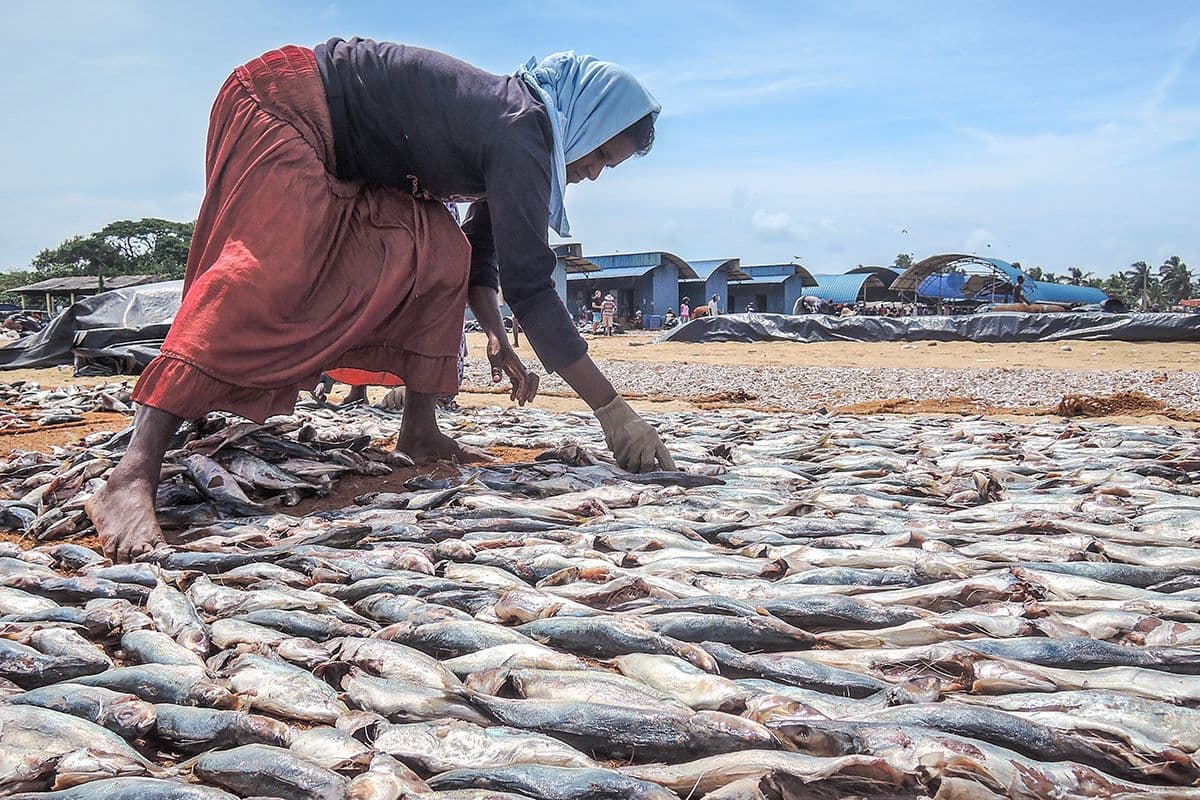
One of the most iconic sights of the Lellama is the area dedicated to the preservation process. Away from the wet market, huge expanses of the beach are covered in rows of salted fish laid out on large coconut fiber mats to dry under the strong tropical sun. This geometric pattern of dark fish on light sand or matting provides a fantastic opportunity for abstract or pattern based photography.
Practical Tips for Your Visit
To ensure a smooth and rewarding photography session, keep these practical points in mind:
- Footwear: Wear shoes that are closed-toe and easy to wash. The sand and cement floors near the offloading areas can be wet, fishy, and muddy. Avoid sandals or flip-flops.
- Embrace the Senses: The smell is potent. It is a working fish market, and the strong, pungent aroma of seafood and salt is unavoidable. Embrace it as part of the authentic experience.
- Protection for Gear: Bring a bag or cloth to protect your camera from the salt spray and the occasional splash of water or fish remnants.
- Best Light Later: While the peak action is early, you can return later in the morning, around 9:00 AM to 11:00 AM, to photograph the dry fish area under the strong, directional sun, which highlights the unique texture of the drying catch.
The Negombo Fish Market is a challenging but intensely rewarding location for photography. By respecting the environment and the people who work there, you will leave with a collection of images that perfectly capture the raw, unpolished heart of Negombo.
Enjoyed this story? Share it
About the Author
Dinithi Perera
A passionate cultural explorer and travel storyteller dedicated to uncovering the ancient secrets, golden sandy beaches, historic Dutch canals, and the rich coastal heritage of Negombo — the vibrant gateway to Sri Lanka.