Day Trip Adventure Escaping to the Muthurajawela Wetland Sanctuary

Ella Thompson
Travel Writer
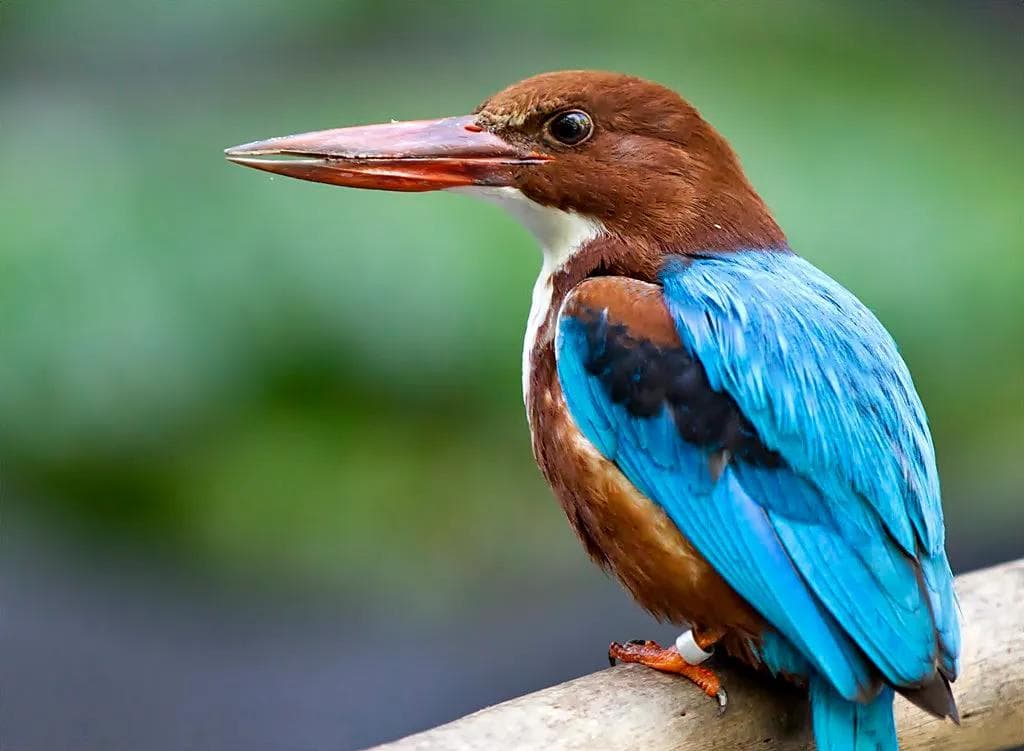
While Negombo offers an array of urban charm and beachside relaxation, a short journey south reveals a completely different world: the tranquil wilderness of the Muthurajawela Wetland Sanctuary. This vast, biologically diverse marshland and lagoon complex is not just a scenic escape; it is an ecological treasure, a critical wetland that supports a rich tapestry of flora and fauna. For nature lovers and birdwatchers, a day trip here is an essential adventure, offering a peaceful contrast to the bustling city.
Unveiling the "Swamp of Royal Treasure"
The name Muthurajawela translates from Sinhala as "Swamp of Royal Treasure," and it truly lives up to its name. Covering over 6,000 hectares, this wetland is a complex network of marshes, lagoons, and mangrove forests, making it the largest saline coastal peat bog in Sri Lanka. It plays a crucial role as a buffer between the land and the sea, protecting the coast and providing a vital habitat for countless species.
The sanctuary is often combined with the Negombo Lagoon, as the two ecosystems are intrinsically linked and boat tours typically cover both.
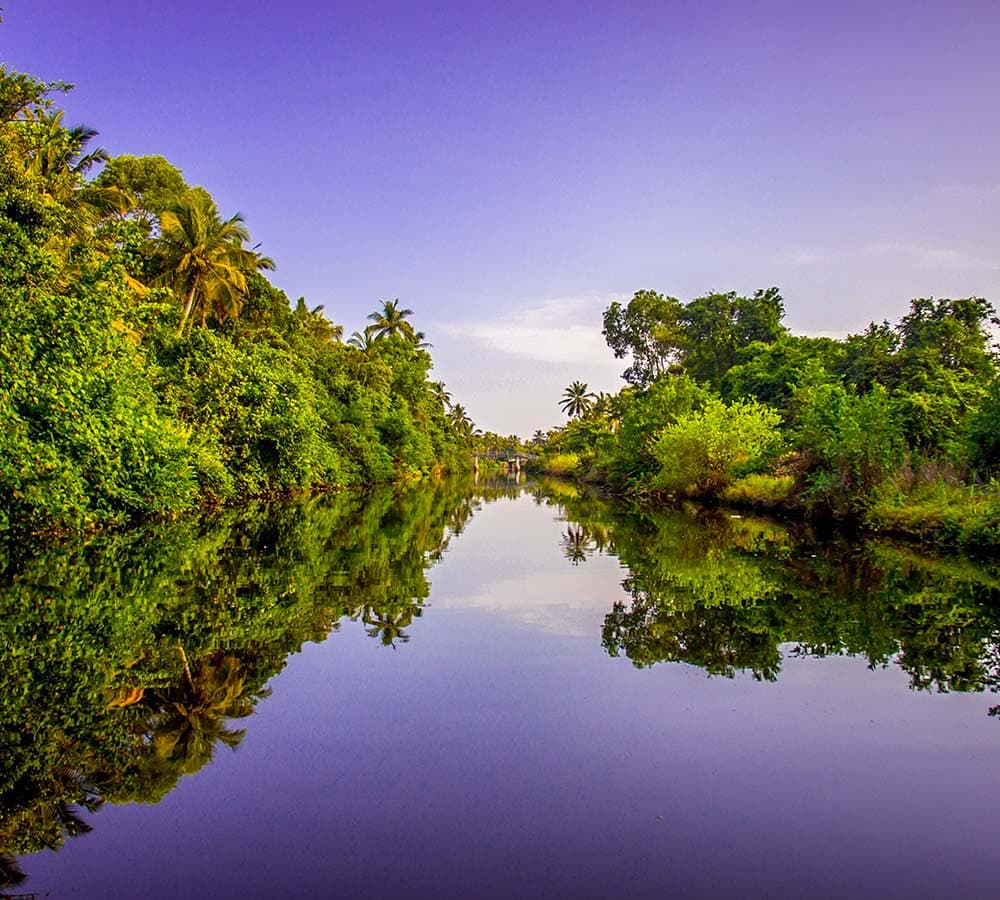
Exploring by Boat A Silent Safari
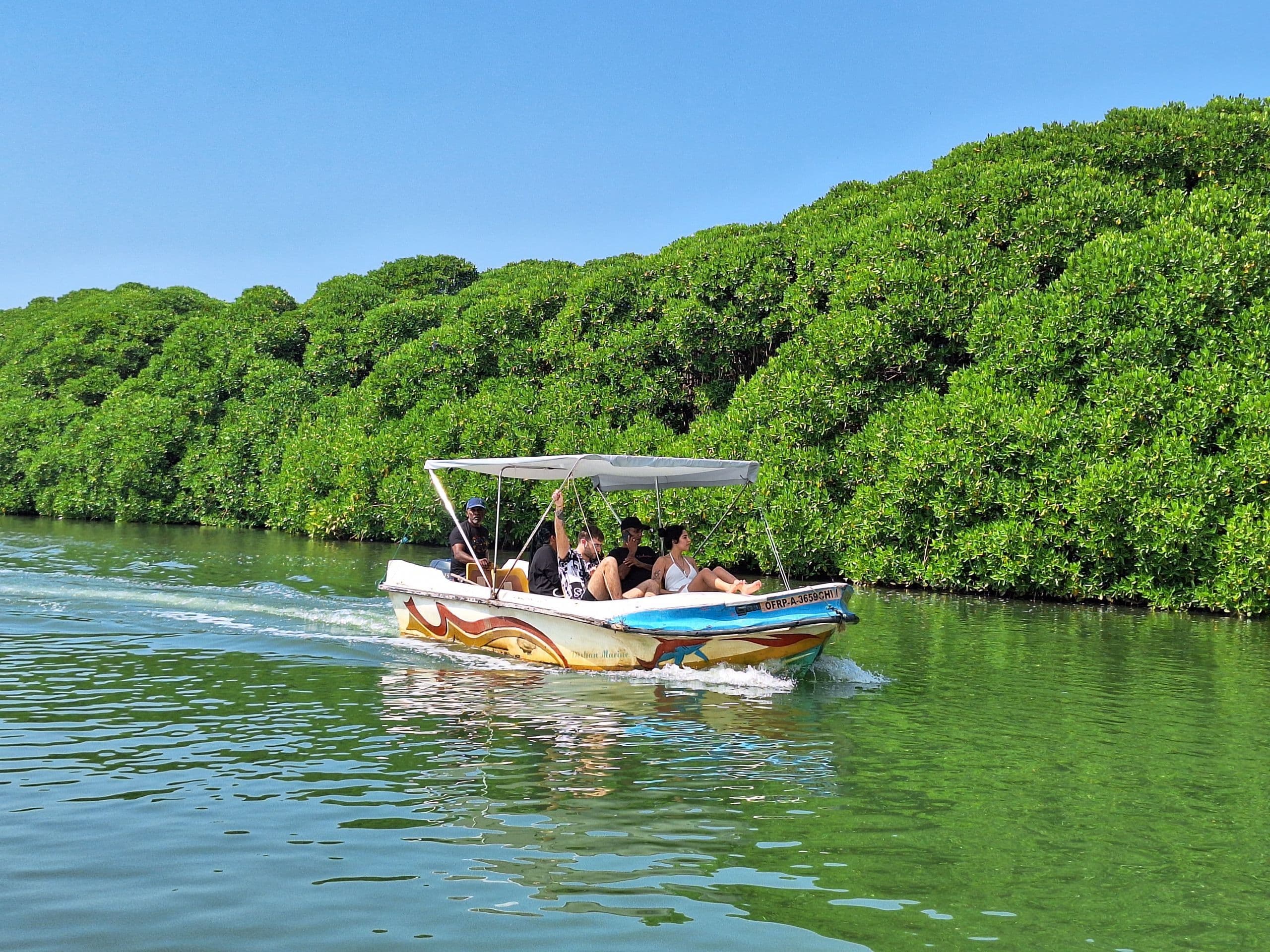
The most effective and enchanting way to explore Muthurajawela is by embarking on a guided boat safari. Silent, slow moving boats allow you to penetrate deep into the winding waterways, offering intimate encounters with the sanctuary's inhabitants without disturbing them.
As your boat glides through the calm water, passing under natural tunnels formed by overhanging mangrove branches, you are immersed in a world of quiet rustles and bird calls. Your guide, often an experienced local fisherman, will expertly navigate the channels and point out the hidden wonders of the wetland. The early morning or late afternoon are the best times for a boat tour, as the animals are most active and the light is perfect for photography.
A Haven for Birdwatchers
Muthurajawela is a designated Ramsar wetland, recognized internationally for its ecological significance, particularly for its birdlife. It is a birder's paradise, home to over 100 species of birds, including many migratory visitors.
Keep your eyes peeled for:
- Herons and Egrets: Common sightings include the Great Egret, Little Egret, Cattle Egret, Grey Heron, and the occasional Purple Heron, all gracefully wading in the shallows.
- Kingfishers: Several species of kingfishers, including the Common Kingfisher, Stork-billed Kingfisher, and Pied Kingfisher, flash vibrant colors as they dive for fish.
- Cormorants: You will often see these sleek, dark birds perched on dead trees or fishing stakes, drying their wings in the sun.
- Raptors: Look up for soaring raptors like the Brahminy Kite.
Even for non-birders, the sheer number and variety of birds are impressive, making every turn in the canal a new opportunity for discovery.
Beyond Birds Other Wildlife Encounters
While birds are the stars, Muthurajawela is also home to a diverse array of other wildlife. The brackish waters are teeming with fish, prawns, and crabs, forming the base of the food chain.
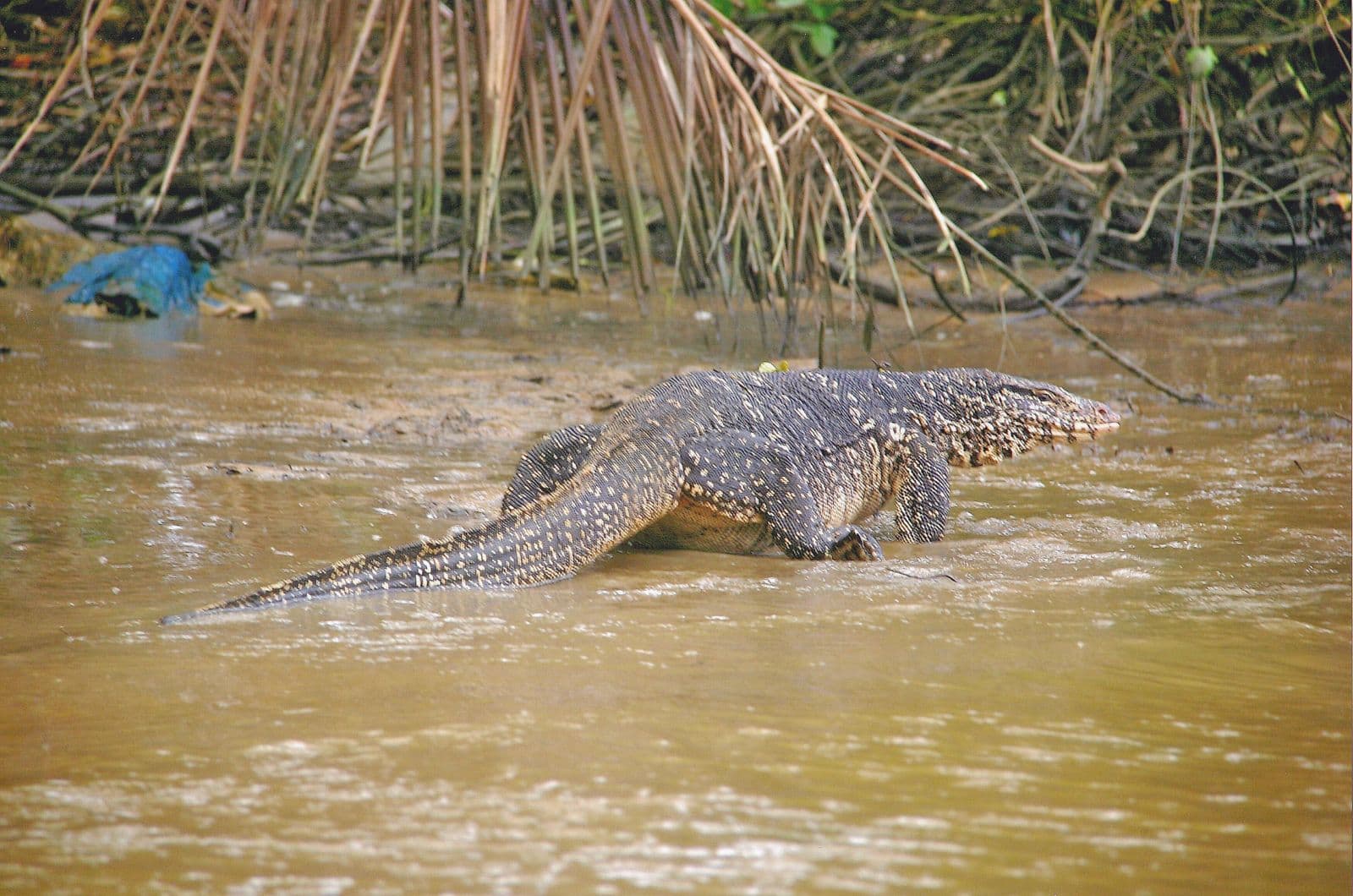
On the banks or floating in the water, you might spot large monitor lizards (water monitors) gracefully swimming or basking in the sun. Occasionally, the elusive estuarine crocodile can be seen, though they are usually shy. The dense vegetation also provides shelter for various species of snakes (most are harmless) and small mammals like otters. The lush greenery itself is a wonder, with different types of mangroves and wetland plants forming a rich botanical tapestry.
Planning Your Visit Practical Tips
- Getting There: Muthurajawela is easily accessible from Negombo (about a 30-45 minute drive) by tuktuk or taxi.
- Booking a Tour: Numerous tour operators in Negombo offer boat trips to Muthurajawela. It is advisable to book in advance, especially during peak season. You can also arrange tours directly at the Muthurajawela Visitor Centre near Hendala.
- What to Bring:
- Sun protection: Hat, sunglasses, high-factor sunscreen, and light, long-sleeved clothing are essential.
- Water: Stay hydrated!
- Insect repellent: Especially important if you are visiting in the late afternoon.
- Binoculars and Camera: Crucial for birdwatching and capturing the wildlife.
- Respect the Environment: Choose an eco-conscious operator. Remember not to litter, disturb the wildlife, or pick plants.
A day trip to the Muthurajawela Wetland Sanctuary is more than just a tour; it is an immersion into the natural grandeur of Sri Lanka. It offers a chance to slow down, observe, and appreciate the delicate balance of one of the island’s most vital ecosystems.
Enjoyed this story? Share it
About the Author
Ella Thompson
A passionate cultural explorer and travel storyteller dedicated to uncovering the ancient secrets, golden sandy beaches, historic Dutch canals, and the rich coastal heritage of Negombo — the vibrant gateway to Sri Lanka.